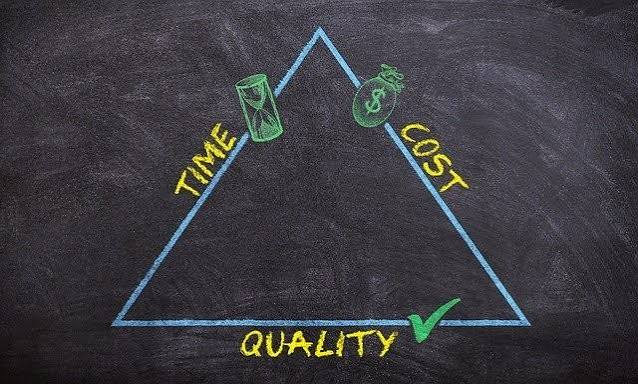
Quality can sometimes seem like an abstract goal. Businesses know customers expect it, but deciding where extra time, money, and attention will have the greatest impact is not always straightforward.
In practice, there are certain situations where quality becomes especially noticeable. Whether a company is producing advertising materials, launching a product, communicating with customers, or improving its online presence, getting the details right can influence how people perceive the entire brand.
- When Your Brand Is on Display
First impressions can form remarkably quickly. A potential customer who encounters a business at an exhibition, retail location, or public event may make assumptions about the company based on the quality of its presentation. This makes professional display materials particularly important. Colors should appear consistent, text should be legible, and graphics should remain clear under the conditions in which they are displayed.
Material selection can influence the final result too. For example, Soyang blockout banner material is designed to prevent light from passing through and interfering with printed graphics. Blockout banners use an internal layer to maintain clarity, including when designs are printed on both sides. Choosing materials according to their intended environment can help a business maintain a more polished appearance.
- When Customers Receive a Product
Quality becomes particularly tangible when someone finally receives what they have purchased. Attractive marketing may secure an order, but the product itself needs to meet the expectations that marketing has created. Companies can improve consistency by establishing quality-control procedures at important stages of production and fulfillment. Packaging deserves attention as well. Protective packaging reduces the likelihood of damage, while thoughtful presentation can contribute to a stronger customer experience.
- When You Communicate With Customers
Quality is not limited to physical products. Customer service can have an equally significant influence on how people view a company. Emails containing mistakes, unanswered questions, or inconsistent information can create unnecessary frustration. Clear processes and appropriate staff training can help maintain standards across different communication channels. Speed matters, but it should not come at the expense of accuracy. A fast response that gives a customer incorrect information may create more work later.
- When Publishing Online
A company’s website and social media profiles are often among its most visible assets. Poor-quality photographs, broken pages, outdated information, and confusing navigation can undermine an otherwise professional operation. Regular reviews can catch these problems. Businesses should check important website pages, update contact details when necessary, and make sure content remains useful and accurate.
- When Trying Something New
Quality control is especially valuable during a launch. New products, services, websites, and marketing campaigns may contain issues that were not obvious during development. Testing with a smaller group before a full launch can reveal weaknesses while they are still relatively easy to address. Feedback can then guide practical improvements.
Quality Comes From Consistency
Achieving quality does not always require expensive materials or complicated processes. More often, it depends on setting clear standards and applying them consistently. From choosing suitable display materials to checking customer communications, small decisions contribute to the overall impression a company creates. When quality becomes part of everyday operations rather than a final check, businesses are better positioned to create experiences customers can trust.