The Powerful Connection Between Designer Brands and the Fragrance Industry
The fragrance industry has always been closely connected with creativity, luxury, and personal expression, but the influence of designer brands has transformed the way people view and experience perfumes. Designer fragrance brands mike calvin klein perfume have moved beyond simply creating pleasant scents; they have become symbols of style, identity, and sophistication. The names behind these fragrances often represent decades of fashion expertise, artistic vision, and cultural influence. When a consumer chooses a designer perfume, they are not only selecting a scent but also embracing a lifestyle, a personality, and a connection to a recognized luxury image. This emotional relationship has allowed designer brands to maintain a powerful and lasting position in the fragrance market.
Designer brands entered the fragrance industry by using their established reputation in fashion and luxury goods. Fashion houses understood that fragrance could provide a more accessible way for customers to connect with their brand identity. While high-end clothing and accessories may be expensive and exclusive, allow a wider audience to experience the essence of a luxury brand. This approach created a strong bridge between fashion and fragrance, allowing designers to expand their influence beyond clothing collections and into everyday personal care routines.
Over the years, designer fragrances have become cultural icons. Certain scents are instantly associated with elegance, confidence, romance, or individuality. These perfumes often become signature choices for customers who want their personal style to reflect the values of a particular designer house. Through carefully crafted marketing campaigns, distinctive packaging, and memorable advertising, designer brands have successfully created emotional connections that continue for generations.
The success of designer fragrances is also linked to the storytelling behind each creation. A perfume is not only a combination of fragrance notes; it represents a vision, an atmosphere, and a feeling. Designer brands invest heavily in developing unique identities for their fragrances, making each release part of a larger narrative. This storytelling ability has helped luxury fragrance brands remain relevant even as consumer preferences continue to change.
How Luxury Branding Shapes Consumer Perceptions of Fragrance
One of the strongest influences designer brands have brought to the fragrance industry is the power of branding. Consumers often associate designer perfumes with quality, exclusivity, and prestige. The reputation of a fashion house can significantly impact how customers perceive the value and desirability of a fragrance. A beautifully designed bottle, a recognizable logo, and a connection to a famous designer name can transform a simple perfume into a luxury experience.
Brand identity plays an important role in purchasing decisions. Many consumers choose fragrances based on the emotions and associations connected to a designer brand. A perfume from a respected luxury house may represent confidence, elegance, modernity, or tradition. These associations create a deeper connection between the product and the customer, making fragrance choices more personal and meaningful.
Designer brands have also changed the way fragrances are marketed. Traditional perfume advertising focused mainly on the scent itself, but luxury brands introduced more artistic and emotional approaches. Modern fragrance campaigns often feature cinematic visuals, celebrity ambassadors, and powerful storytelling. These strategies allow customers to imagine themselves experiencing the lifestyle associated with the fragrance rather than simply purchasing a bottle of perfume.
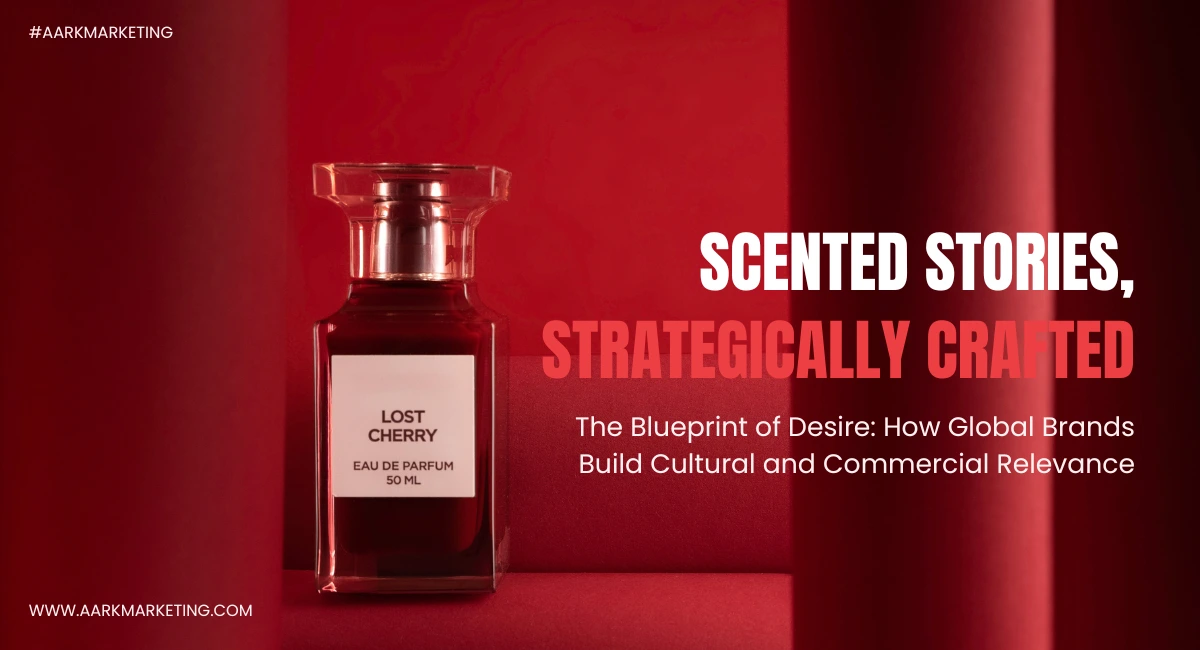
Packaging has become another major factor influenced by designer brands. Luxury fragrance bottles are often created as collectible pieces that reflect the personality of the brand. The design, materials, and presentation contribute to the overall experience of owning a fragrance. Many consumers appreciate perfumes not only for their scent but also for their visual appeal and connection to luxury craftsmanship.
The influence of designer branding has also encouraged fragrance companies to focus more on creating memorable experiences. From elegant retail environments to personalized customer services, luxury brands have raised expectations within the industry. Customers now seek products that provide emotional satisfaction, artistic value, and a sense of exclusivity.
The Role of Designer Fragrances in Defining Personal Identity and Lifestyle
Fragrance has always been connected to personal identity, and designer brands have strengthened this relationship. A person’s choice of perfume often reflects their personality, mood, and lifestyle. Designer fragrances provide consumers with a wide range of options, allowing them to express different aspects of themselves through scent. Whether someone prefers a bold and confident aroma or a soft and romantic fragrance, designer collections offer choices that align with individual preferences.
The popularity of designer perfumes comes from their ability to create recognizable identities. Certain fragrances become associated with specific characteristics, such as sophistication, adventure, creativity, or timeless elegance. This association encourages customers to select scents that match the image they want to present to the world. In this way, fragrance becomes an extension of personal style, similar to clothing, accessories, and other forms of self-expression.
Designer brands have also influenced the idea of fragrance as an everyday luxury. In the past, perfume was often viewed as a special occasion product, but luxury fragrance brands helped make scent an important part of daily grooming routines. Applying perfume has become a personal ritual for many people, offering confidence and emotional comfort throughout the day.
The growth of designer fragrances has also expanded the global appreciation of different scent styles. Luxury brands often introduce customers to unique fragrance ingredients, cultural influences, and creative combinations. This has encouraged greater interest in fragrance knowledge, including understanding scent families, fragrance notes, and perfume composition. Consumers today are more informed and curious about the artistry behind their favorite scents.
Furthermore, designer fragrances often create lasting memories. A particular scent can remind people of important moments, relationships, or experiences. Because luxury brands focus on emotional storytelling, their fragrances frequently become connected with personal memories. This emotional impact contributes to the long-term success and influence of designer perfumes.
Innovation and Creativity: How Designer Brands Continue to Transform Fragrance Trends
Innovation has been a key reason behind the continued influence of designer brands in the fragrance industry. Luxury fashion houses consistently explore new ideas in scent creation, packaging, marketing, and customer engagement. Their willingness to experiment has helped shape modern fragrance trends and encouraged the industry to evolve with changing consumer expectations.
Designer brands have introduced new approaches to fragrance development by combining traditional craftsmanship with modern creativity. Perfumers working with luxury houses often experiment with unusual ingredients, advanced techniques, and unique scent combinations. These innovations have expanded the possibilities of perfume creation and inspired other fragrance companies to pursue greater originality.
Another major contribution of designer brands is their ability to adapt to changing consumer preferences. Modern customers increasingly value individuality, sustainability, and authenticity. In response, many luxury fragrance brands have explored eco-friendly packaging, responsibly sourced ingredients, and more personalized fragrance experiences. These efforts demonstrate how designer brands continue to influence industry standards.
Technology has also created new opportunities for designer fragrances. Digital marketing, online shopping experiences, and social media have allowed luxury fragrance brands to reach global audiences more effectively. Consumers can now discover new scents through online campaigns, virtual experiences, and digital storytelling. This connection between technology and luxury branding has strengthened the influence of designer fragrances among younger generations.
Designer brands have also contributed to the rise of fragrance collections designed for different occasions and moods. Instead of offering only a few classic scents, many luxury houses now create extensive fragrance lines that allow consumers to explore various identities. This approach has encouraged customers to view perfume as a creative and flexible form of self-expression.
The Future Impact of Designer Brands on the Global Fragrance Market
The influence of designer brands in the fragrance industry is expected to remain strong as luxury and personal expression continue to shape consumer choices. These brands have established a foundation built on creativity, emotional connection, and strong identity, allowing them to maintain relevance in a competitive global market. Their ability to combine fashion, art, and fragrance ensures that designer perfumes will continue to attract loyal customers.
Future fragrance trends will likely continue to be shaped by designer brands through innovation and adaptation. As consumers become more interested in personalized experiences, luxury brands may focus more on customized scents and unique fragrance journeys. Personalization allows customers to feel a stronger connection with their chosen perfume and creates opportunities for brands to develop deeper relationships with their audiences.
The growing importance of sustainability will also influence the future direction of designer fragrances. Consumers are becoming more aware of environmental issues and are looking for brands that demonstrate responsibility. Luxury fragrance companies that embrace sustainable practices, ethical sourcing, and environmentally conscious packaging are likely to strengthen their position in the market.
Designer brands will also continue to influence fragrance culture by introducing new artistic concepts and redefining what luxury means. Modern luxury is no longer only about exclusivity; it is increasingly connected to authenticity, creativity, and meaningful experiences. Designer fragrances represent this evolution by offering products that combine craftsmanship with emotional value.
Ultimately, the lasting influence of designer brands in the fragrance industry comes from their ability to transform perfume into more than a beauty product. They have turned fragrance into a form of art, personal expression, and lifestyle representation. Through powerful branding, innovative creations, and emotional storytelling, designer brands will continue to shape the future of the global fragrance market for years to come.